

If you’re a new founder, you may have heard the phrase “cap table management” and wondered what it meant or why it was so important.
Good news: By the time you reach the end of this post, you’ll know more than just the basics — you’ll understand why a cap table is so critical to your startup’s survival and success.
What is a Cap Table Anyway?
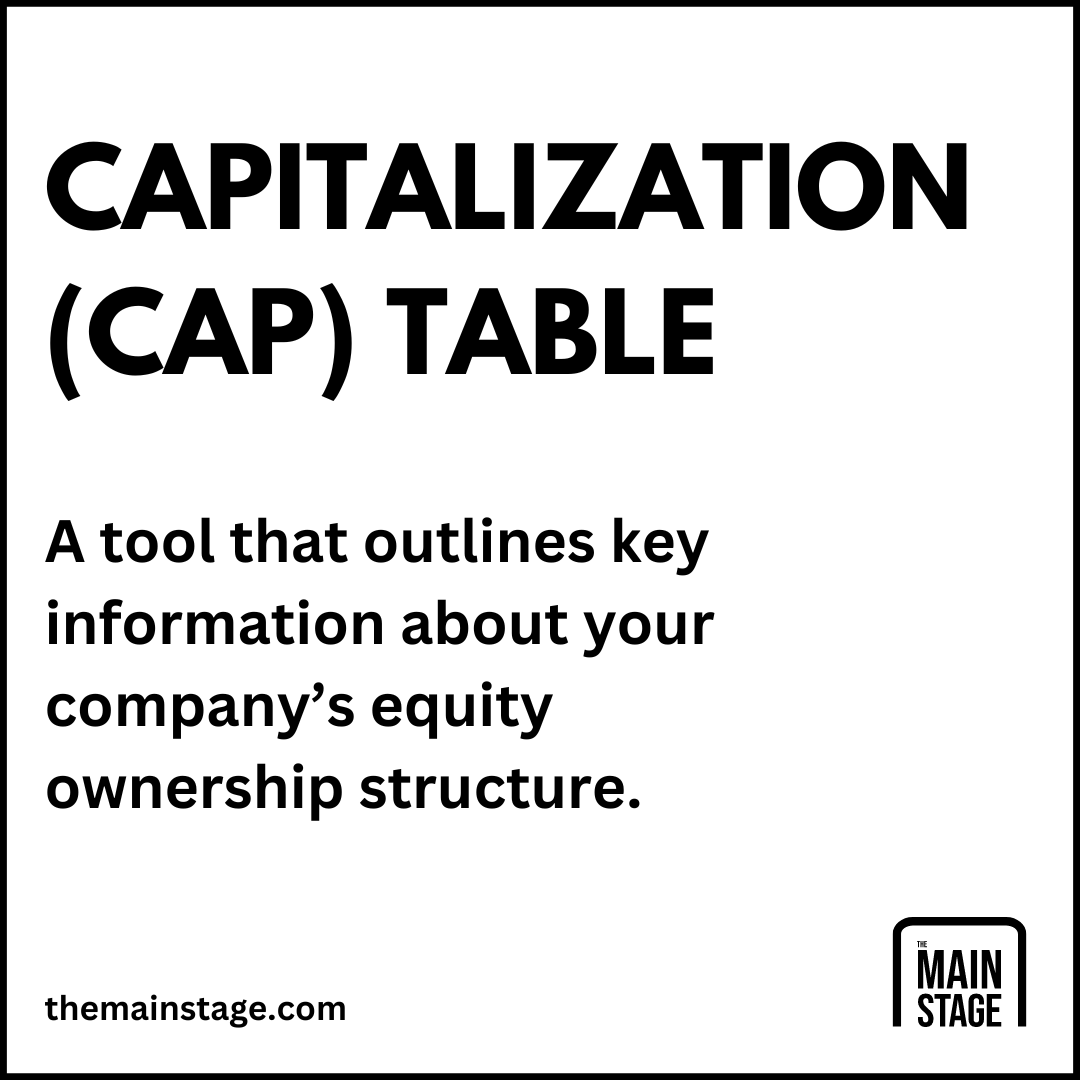
A cap table is an abbreviated way of saying “capitalization table,” and a capitalization table is a tool that outlines some key information about your company’s equity ownership structure, including:
- Type of stock
- Ownership of shares
- Liquidation rankings
- Stock option plans
It may also include things like company debt and lenders, if applicable.
Combined, this data gives founders the insight they need to make sound financial decisions. Not only are you able to visualize and track share ownership, but you can quickly assess how much equity is held by each investor.
If you’re a founder, understanding who owns stock — and what type of stock they own — empowers you to set clear expectations of shareholders and know what you can offer in future partnerships with new investors.
Why an Accurate Cap Table is Critical for Startup Survival
When your company is young and not exactly flush with cash, it makes sense to exchange equity for all kinds of things, including strategic advisory services, sales and marketing assistance, technical support, and web development.
Of course, as you begin reaching out to investors, you’ll be offering ownership in your company in exchange for their capital as well.
Without an accurate and up to date cap table, your company’s survival can quickly become compromised. You may give away more equity in your company than you’d planned, even diluting your business to the point of insolvency. It’s not an uncommon byproduct of this sort of mismanagement, but it is preventable.
Keeping your cap table current from the start of your company will go a long way to protect its legal and financial integrity.
Remember: In order to thrive, your new company has to survive. An accurate cap table sets you up for success — now and in the future.
The First Step Toward Cap Table Success
Keeping your Story Vault and IRM (Investor Relationship Management) dashboard up to date on The Main Stage is the first step toward creating an accurate cap table — and it only takes a few minutes.
In your IRM on The Main Stage, you’re able to input each new shareholder, record the amount and date they invested, and include copies of their mutually executed documents.
Once you’ve done this, you’ll have more than half of the information you need to complete your cap table. It doesn’t get much easier than that.
Cap Table Management: Go it Alone or Ask for Help?
Although there is software to help founders manage their company’s cap table, and even if the lift feels especially light in the beginning, we can’t recommend going it alone for any period of time. It’s just not worth the risk.
If nothing else, trying to manage your own cap table is another delegable activity that pulls you away from meeting investors, sharing your story, and raising capital.
Fortunately, there are companies — like our Supporting Acts partner Compass Equity — that specialize in startup growth, including all the ins and outs of cap table management.
Remember, equity ownership is complicated, and companies have to adhere to the SEC’s stringent Regulation D requirements. There may be areas where bootstrapping your startup is necessary, but managing your cap table isn’t one of them.
______________________________________________________________________________________________________________________
Need help right now? Reach out to Carine Schneider or Paul Arens at Compass Equity for all the things startups need to grow — like cap table management, mergers and acquisitions, HR services, business development, and product strategy.
 blog.themainstage.com
Leave a comment